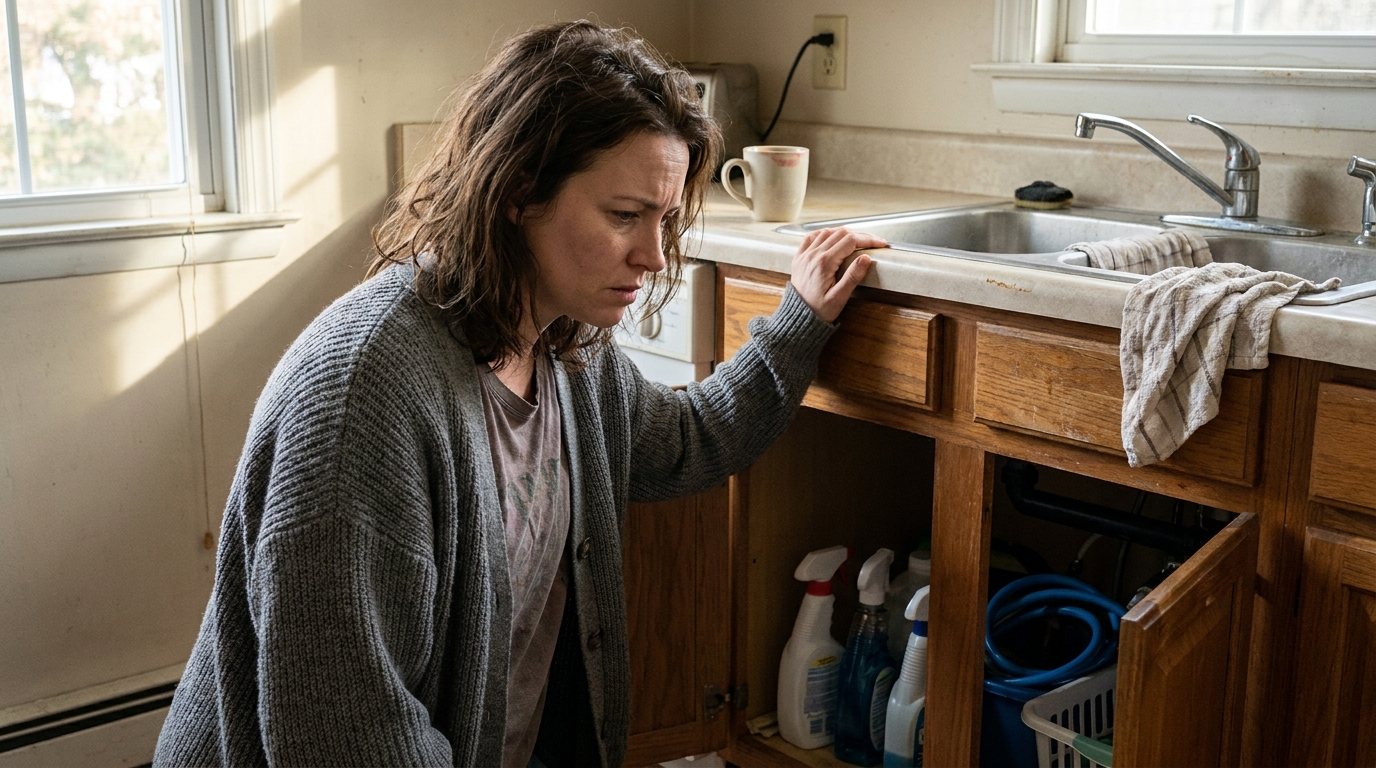
That damp, stale smell drifting up from the basement or lingering behind the bathroom wall is more than an annoyance. A black mold smell is one of the earliest warning signs that moisture and fungal growth have taken hold somewhere in a home. According to the U.S. EPA, a persistent musty odor indoors signals a mold problem and a moisture problem, even when no growth is visible. Understanding what creates that odor, what it can and cannot tell you, and how to respond can save homeowners thousands of dollars and protect their household’s health.
What Is the Black Mold Smell? (And Why It Matters)
The so-called “black mold smell” is a musty, earthy odor produced by actively growing mold colonies as they digest organic materials like drywall, wood, and paper.
People describe it in many ways: wet socks, rotting leaves, damp cardboard, or the underside of a log left in the rain. The smell is not unique to black mold (Stachybotrys chartarum). Dozens of common indoor mold species, including Aspergillus, Penicillium, and Cladosporium, produce similar odors. According to the EPA, “you cannot rely on smell alone to determine whether there is a mold problem or what type of mold may be present.”
Why does this matter? Because smell is often the first clue. Mold frequently grows in concealed spaces, behind walls, beneath flooring, inside HVAC ducts, where visual inspection is impossible without opening things up. A musty odor drifting from a specific area of the house can be the only early signal that something is wrong. The CDC notes that mold can begin growing on wet surfaces within 24 to 48 hours, so a new smell appearing shortly after a leak or flood is a time-sensitive warning.
What Causes That Musty, Earthy Odor?
Microbial volatile organic compounds, or mVOCs, are the chemical source of the musty mold smell.
As mold colonies metabolize building materials, they release a cocktail of gases. According to the EPA’s mold training materials, “some compounds produced by molds have strong smells and are volatile… these compounds are known as microbial volatile organic compounds (mVOCs).” The specific chemicals include alcohols, aldehydes, ketones, and sulfur-containing compounds. Each mold species produces a slightly different mix, but the overall result is remarkably similar to the human nose: musty, damp, and stale.
Several factors influence how strong the smell gets:
- Moisture level. Mold needs water. According to the EPA, many indoor mold species thrive when surface relative humidity stays above roughly 80%. Higher moisture means faster growth and more mVOC production.
- Substrate. Cellulose-rich materials like drywall paper, cardboard, and wood framing are preferred food sources. Stachybotrys chartarum in particular favors continuously damp, cellulose-heavy substrates.
- Ventilation. Enclosed, poorly ventilated spaces like basements, crawlspaces, and wall cavities trap mVOCs, concentrating the smell. Open a closet door or turn on the HVAC, and the odor may suddenly become noticeable throughout the house.
- Temperature. Warmer conditions generally accelerate mold metabolism. This is why many homeowners notice the smell intensifying during summer.
One common misconception: “It’s just old house smell.” The EPA treats a persistent musty odor as a red flag for active microbial growth, not an inherent characteristic of older buildings.
Does Black Mold Always Smell? What the Odor Can and Can’t Tell You
No, mold does not always produce a detectable odor, and the absence of smell does not guarantee a mold-free home.
mVOC production varies widely by species, growth stage, and environmental conditions. A clinical review summarized by MyLymeDoc notes that many indoor molds can grow without producing strong, detectable odors, making smell an unreliable screening tool for confirming or ruling out mold. Some people also experience “nose blindness” after prolonged exposure, losing the ability to detect an odor they live with daily.
Here is a practical breakdown of what the smell can and cannot reveal:
| What Mold Odor CAN Tell You | What Mold Odor CANNOT Tell You |
|---|---|
| Active moisture and microbial growth are likely present | Which mold species is growing |
| The general area where growth may be concentrated | Whether mycotoxins are being produced |
| That investigation and moisture correction are needed | How severe the health risk is |
| That conditions favor continued mold spread | That a space is safe (no smell ≠ no mold) |
According to the EPA, health effects of typical indoor mVOC exposures are not well characterized, so odor intensity cannot serve as a reliable dosage or risk meter. The practical takeaway: treat any persistent musty smell as a reason to investigate, but do not assume a space is safe simply because it smells fine.
What Are the Signs You Have Mold Beyond the Smell?
Visible staining, unexplained health symptoms, and evidence of past water damage are the strongest indicators of mold beyond odor alone.
Mold does not always look black. According to BustMold, indoor mold can appear in multiple colors: black, green, white, pink, brown, gray, or yellowish, often with a fuzzy or slimy texture. Here are the key signs to watch for:
Physical signs in the building:
- Yellow-brown ceiling or wall stains, especially recurring ones
- Bubbling, peeling, or cracking paint and wallpaper
- Warped or buckling flooring and baseboards
- Soft spots in drywall or subflooring
- Dark streaks or spots around HVAC supply vents
- Persistent condensation on windows or cold exterior walls
Health symptoms that track with location: The CDC states that indoor mold exposure commonly causes nasal stuffiness, sore throat, coughing, wheezing, burning eyes, and skin rash. A telling pattern: symptoms that improve when you leave the building and return when you come back. The EPA notes this pattern in damp buildings and considers it an indicator of building-related exposure.
History of water events: Any past flooding, roof leak, or plumbing failure that was not fully dried within 24 to 48 hours creates a high probability of hidden mold. If you want to check for mold more systematically, a moisture meter and digital hygrometer are inexpensive starting tools. Readings consistently above 60% relative humidity strongly support a moisture and mold risk.
Can the Smell Make You Sick? Health Implications to Know
Breathing in mold-contaminated air can cause respiratory symptoms, allergic reactions, and, in vulnerable populations, more serious health effects.
The smell itself is produced by mVOCs, which are gases. According to Cleveland Clinic, mVOCs from black mold can cause irritation of the nose, eyes, and lungs even in people without allergies. But the smell also signals that mold spores and hyphal fragments are present in the air, and those particulates carry their own health risks.
The 2004 Institute of Medicine report, cited by the CDC, found sufficient evidence linking indoor dampness and mold to:
- Upper respiratory symptoms (cough, wheeze) in otherwise healthy people
- Worsened asthma symptoms in people who already have asthma
- Hypersensitivity pneumonitis in susceptible individuals
A 2009 WHO guideline on indoor air quality reached similar conclusions, associating dampness and mold in homes with increased risk of asthma, respiratory infections, and allergies, as summarized by the CDC.
Certain groups face elevated risk. The CDC lists people with asthma, chronic respiratory disease, allergies, and weakened immune systems as more vulnerable. With roughly 25 million Americans living with asthma, according to CDC asthma data, mold exposure is a relevant concern for many households.
Long-term exposure raises additional concerns. WebMD describes a study of 14 hospital workers in Finland with prolonged mold exposure: 4 of the 14 (29%) developed asthma over time, while others experienced recurrent cough, sinus issues, and fevers that improved when they left the building.
According to Harvard Health, black mold “doesn’t seem more dangerous than other types,” and prolonged exposure to any indoor mold can contribute to lung inflammation and other health issues. The species matters less than the conditions: persistent dampness and active growth are the real concern.
Anyone experiencing recurring respiratory symptoms in a home with a musty odor should consult a physician and consider having the home assessed by a certified mold inspector.
How to Find the Source of a Mold Smell in Your Home
Start by mapping where the smell is strongest, then systematically check high-risk moisture areas using basic tools before deciding whether professional help is needed.
Step 1: Follow your nose. Walk room to room with windows and doors closed. Note where the odor intensifies. Pay special attention to bathrooms, kitchens, basements, crawlspaces, laundry areas, and rooms with exterior walls. According to HomePro Mold, the “stack effect” can draw air from basements and crawlspaces into upper floors, meaning up to roughly half the air on the first floor may originate from below. This explains why a basement mold problem can make the whole house smell.
Step 2: Conduct a moisture hunt. Check under sinks, around toilets, beneath dishwashers, along window frames, and behind washing machines. Look for discoloration, bubbling paint, warping, soft drywall, or white mineral deposits (efflorescence) on masonry. These are physical evidence of current or past water intrusion.
Step 3: Use a hygrometer and moisture meter. An inexpensive digital hygrometer placed in the smelly room can confirm whether humidity is above the EPA’s recommended 60% threshold. A pin-type moisture meter pressed against suspect drywall or baseboards can reveal damp spots invisible to the eye. Elevated readings near plumbing penetrations, below windows, or at roof-wall intersections often pinpoint hidden leaks.
Step 4: Check the HVAC system. Mold can colonize drain pans, cooling coils, and duct lining. When the system runs, it distributes spores throughout the home. The EPA recommends that visible mold on hard surfaces in ducts or HVAC components be addressed before the system is run again.
Step 5: Inspect hidden spaces. If the smell persists but you cannot find a visible source, the growth may be inside a wall, under flooring, or above a ceiling. Professional inspectors use infrared cameras to identify cool, damp spots behind surfaces and calibrated air sampling to quantify spore levels. According to Wired, a typical professional assessment includes IR imaging, moisture metering, and air sampling at a standard volume of about 75 liters over 5 minutes, followed by laboratory analysis.
For homeowners who want to start with a DIY approach, a mold test kit can provide preliminary data, though professional sampling is more reliable for hidden mold.
How to Stop Mold Odors Before They Start
Controlling moisture is the single most effective way to prevent mold growth and the musty odors that come with it.
The EPA recommends keeping indoor relative humidity below 60%, ideally between 30% and 50%. The University of Minnesota Extension echoes this guidance and adds practical steps for homeowners. Here is a prevention checklist grounded in federal and university guidance:
Humidity and ventilation:
- Use a dehumidifier in basements and crawlspaces, especially during humid months. (Learn more about whether a dehumidifier helps with smell.)
- Run bathroom and kitchen exhaust fans during and for 20 to 30 minutes after showering or cooking. Make sure fans vent outdoors, not into the attic.
- Open windows when weather permits to increase air circulation.
Moisture response:
- Dry any wet building materials within 24 to 48 hours. The CDC and EPA both emphasize this timeline as the critical window before mold colonization begins.
- Fix plumbing leaks, roof leaks, and foundation seepage promptly. Mold will return after any cleanup if the moisture source remains.
Building choices:
- Avoid installing carpet in bathrooms or basements with moisture issues. The EPA specifically warns against this.
- Insulate cold water pipes and uninsulated exterior walls to prevent condensation.
- Keep HVAC drip pans clean and condensate lines clear.
- Change HVAC filters on schedule. Filters rated MERV 11 to 13 capture more mold spores, though they do not fix underlying moisture problems.
Understanding what mold needs to grow helps homeowners target prevention efforts at the right factors: moisture, organic material, and stagnant air.
When Should You Call a Professional?
Homeowners should call a professional when the mold smell persists after cleaning, the source cannot be found, or the affected area exceeds 10 square feet.
The EPA sets a practical threshold: if mold covers more than about 10 square feet (roughly a 3-by-3-foot patch), professional remediation is recommended. But size is only one trigger. Here are the situations where professional help is warranted:
- The smell keeps returning after cleaning. This usually means the moisture source is unresolved or mold is growing in a concealed location. Masking the odor with air fresheners does nothing to address the colony.
- You cannot locate the source. Hidden mold behind walls, under floors, or in HVAC systems requires specialized equipment like infrared cameras and calibrated air sampling to find.
- There has been significant water damage. Flooding, sewage backup, or long-term leaks often contaminate materials beyond what surface cleaning can address.
- Someone in the household is in a high-risk group. People with asthma, allergies, immune suppression, or chronic lung disease may need the problem resolved faster and more thoroughly. If you are unsure whether it is safe to remain in the home during remediation, see our guide on whether you can stay in a house with black mold.
- The affected area is large or involves HVAC systems. Mold in ductwork can spread spores to every room. Professional containment and controlled removal, following standards like IICRC S520, help prevent cross-contamination.
When hiring a remediation company, ask whether they follow the IICRC S520 standard for professional mold remediation. Get a written scope of work and understand what is included before signing. For guidance on pricing, see our breakdown of mold remediation costs. Homeowners should also check whether their policy provides coverage; our guide on homeowners insurance and mold explains what to expect.
Disclaimer: This article is for informational purposes only. It does not constitute medical advice. Anyone experiencing health symptoms related to mold exposure should consult a physician. For mold assessment and remediation, consult a certified mold professional or industrial hygienist.
Looking for a qualified mold remediation contractor in your area? Visit our contractor directory to find local professionals.